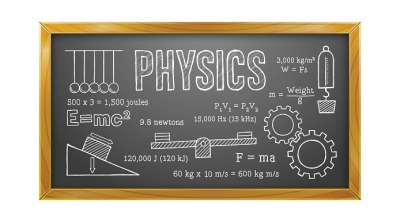
If going through the bookish or the classical definition of physics one can easily define physics as” a branch of science that studies matter “ , but the actual definition of physics is much more profound than that, and in the following article we are going to understand a definition of physics that truly defines physics. A definition that just not defines the subject but also gives a brief idea about its nature and entanglement with our lives.
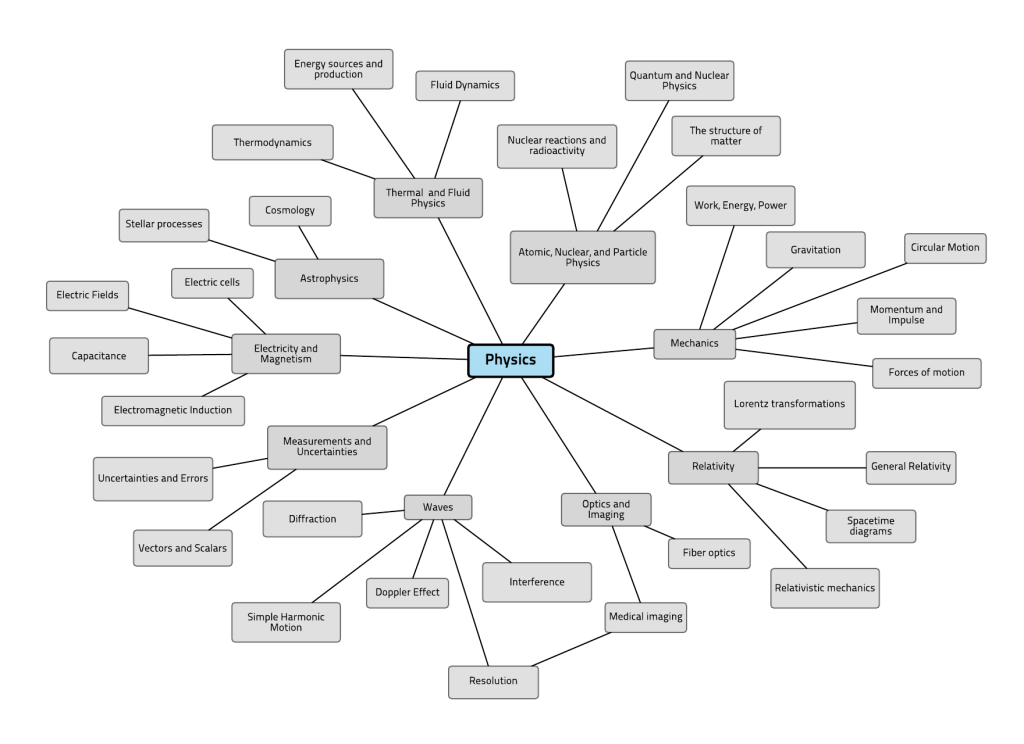
Defining what truly physics stands for has always been an exigent task for physicists, teachers or philosophers, but deep down we all understand its true nature we just can’t let it out in form of our words. But defining it in our words is worth a shot.

So, what is physics? For students it’s a subject which is quite tuff, for philosophers it’s a way of life and for the enthusiasts it’s their life.
For me physics is a riddle, answer of which is the answer to every mystery in the godforsaken universe.

But it doesn’t matter what I think what matters is that what you think of this, let’s clear that out.
Physics is a part of our life and studying it helps a better understanding of our life, every area that physics deals is directly connected to our life in some manner, we cannot think of an event in our life that is out of the reach of physics, e.g. movements of any type, running electricity in our houses ,the devices we use and the list goes on and on.
The more we think this way the more we get to know the true nature, need and importance of physics. Okay let’s assign physics as a subject, so physics is a subject that has to deal with everything that happens to us in our lives.
When it comes to learn physics we use books, teachers, written materials and what not, I’m not saying it’s wrong because I also read books, took help of teachers etc. but when I realized that instead of memorizing what is written in books or told by teachers I should relate that with the very life I’m living made physics learning fun and easy for me.
I mean it’s right that we have formulas for everything in physics and we are constrained to work on those formulas but just by applying the formula in the real life makes learning that formula and understanding how it works become easy. Think it this way, the formulas we study nowadays are also the result of well conducted and observed experiments or implementations of the concepts in real life, if they were not generated this way then maybe they were never generated.
Observing and analyzing the events and then drawing conclusions from them is the most easy and effective practice to learn physics
In his lecture at genexis ( https://www.youtube.com/watch?v=f6Kqn_-0Reg&t=944s) physicist Paul Davies on sharing his anecdote with a girl in library disclosed a very profound thought that is the basis of this article.

He said” while doing my homework I was doing some calculations and a girl sitting in front of me asked me that what are you doing? I told her that I’m finding the range of a ball throwed up an inclined plane then she asked me that how can i do it by writing formulas and numbers on piece of paper? ”
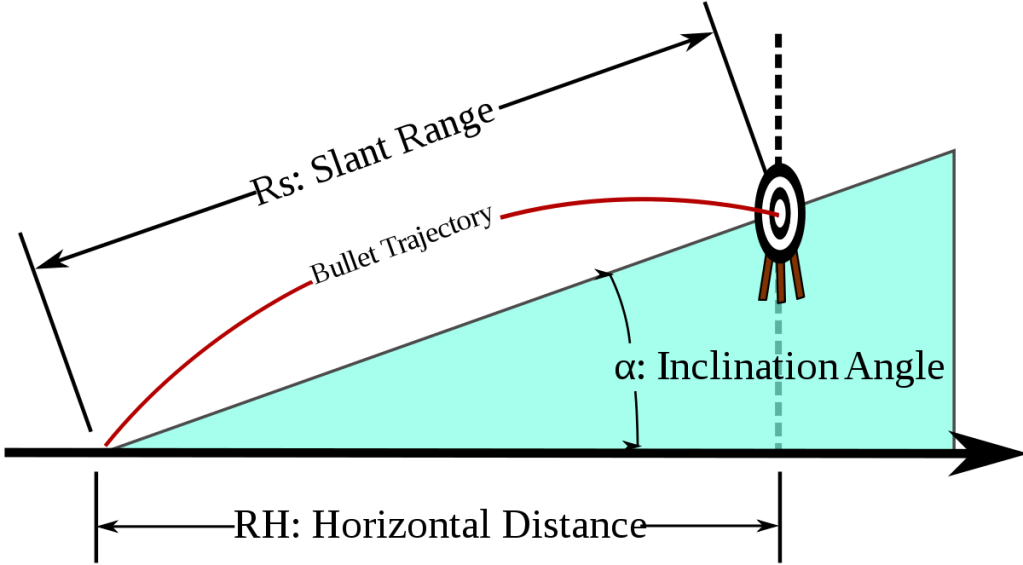
That small stupid sounding question has a very deep significance, that if a problem we are working on is a problem that can analyzed by performing, then it gives a better understanding of the concept acting behind the problem.
This very question explains also the nature of physics in a great manner that physics is not something that can be understood fully on the basis of what you read in books but it is something that can be understood on the basis of both the study and observation.
This question also depicts that physics is not something that can be said to have universal nature, it has as many definitions and explanations about its nature as many minds are there.
Conclusively it can be said that
“physics is an integral part of our life and learning it by realizing that fact can make physics learning effective and fun”
 the physicsVesre